 PanSpan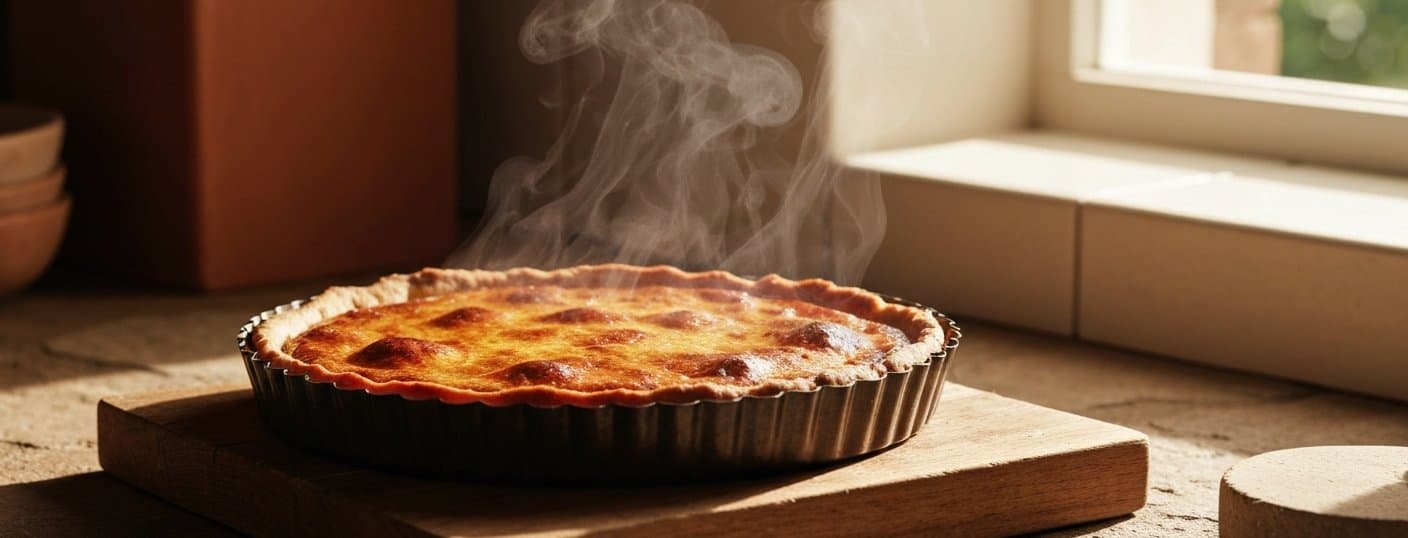
Pie & Tart Pans
Pie and tart pans are built around release: a clean crust edge, a base that lifts out smoothly, and a shape that supports custards, quiches, and fruit fillings. In this catalog, the most relevant options lean toward carbon-steel tart or quiche pans with nonstick coatings, including removable-bottom designs like a 9-inch tart pan for easier serving.


How to choose
Start with size, because a shallow 9-inch tart pan works differently from a deeper pie dish. A removable bottom is useful when presentation matters, while a fixed dish can feel simpler for loose or juicy fillings. Look at the material and coating details: the listed carbon-steel tart pan uses a double-sided nonstick coating and states it is free from PTFE, PFOA, and BPA. If you bake more than pies and tarts, compare this category with broader bakeware so you do not duplicate pans you already own.
Key factors to consider
- •Pan diameter and depth for the recipes you make most often
- •Removable bottom versus one-piece construction
- •Material, such as carbon steel, aluminum, or other bakeware metals
- •Nonstick coating details and stated chemical exclusions
- •Crust goals, including whether you want a perforated design for airflow
- •Cleaning instructions, especially whether the pan is listed as dishwasher-safe or hand-wash only
Common mistakes to avoid
- ✗Buying by diameter only and ignoring the depth of the pan
- ✗Choosing a removable-bottom pan for very runny fillings without considering leakage risk
- ✗Assuming every nonstick pan has the same coating or care requirements
- ✗Using metal utensils on coated pans unless the product specifically allows it
- ✗Expecting a tart pan, pie dish, and quiche pan to perform identically
Frequently asked questions
Is a removable bottom worth it for tart pans?
A removable bottom is helpful when you want to lift the tart out cleanly and show the fluted crust. It is especially practical for firmer tarts and quiches, though very loose fillings may need extra care during filling and baking.
What size pie or tart pan should I choose?
The safest starting point is diameter plus depth, not diameter alone. A 9-inch tart or quiche pan suits many standard recipes, but shallow tart pans hold less filling than deep pie dishes.
Are nonstick tart pans easier to clean?
A nonstick coating can make release and cleanup easier, especially with delicate crusts. Still, care instructions matter; some pans are listed as dishwasher-safe, while other bakeware categories may call for hand washing.
What is a perforated pie or tart pan for?
A perforated design allows more airflow around the crust, which can help when crispness is the goal. If you mainly bake custards or wetter fillings, also consider whether the pan style suits your recipe.
Can I use a cake pan instead of a pie or tart pan?
A cake pan can hold batter or some baked desserts, but it will not give the same sloped or fluted crust shape as a tart pan. If you bake both styles often, compare dedicated cake pans separately.
Quick buying guide
Choose a removable-bottom tart pan if clean presentation is your priority. Pick a deeper pie-style dish if you bake fuller fillings or want more capacity. For crisp crusts, consider a perforated option such as a perforated pie dish. If you only bake occasionally, a versatile 9-inch nonstick quiche or tart pan is a practical place to start.