 PanSpan
Cake Pans
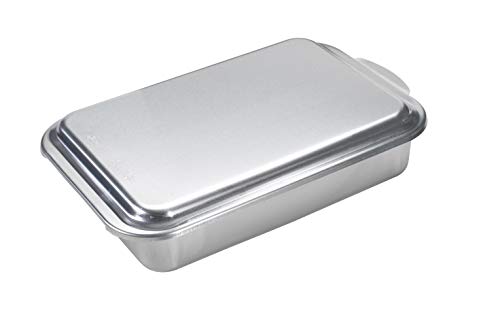
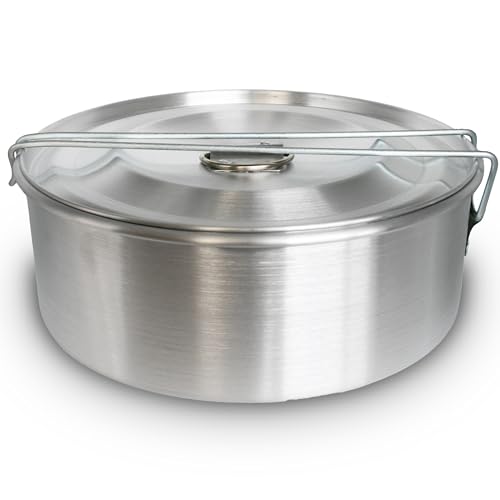
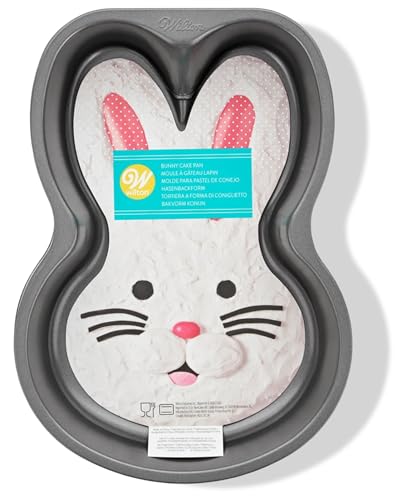
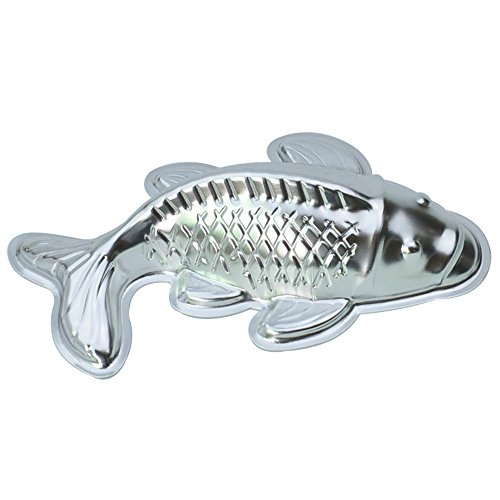
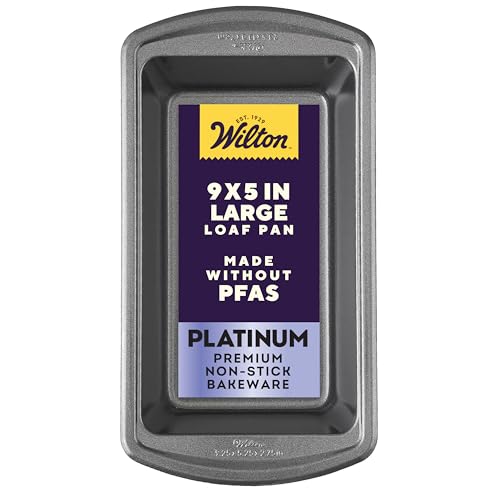
Cake pans cover more than one shape: rectangular pans for sheet cakes and brownies, round or tube pans for shaped desserts, and covered pans for storage or transport. The main material choice matters because the catalog includes aluminum, aluminized steel, carbon steel, and stainless steel options, each aimed at different baking and cleanup needs. If you are building out a broader baking setup, compare these with other bakeware before choosing a pan shape.










How to choose
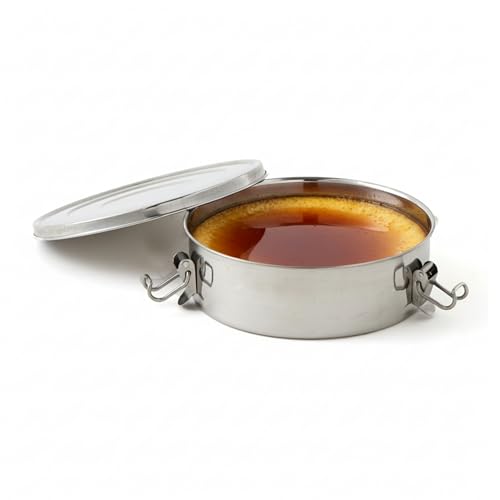
Start with shape: a 9x13 covered pan suits sheet cakes and bars, while fluted tube pans are designed for pound cakes, gelatin desserts, flan-style desserts, and shaped cakes. For release, look for a nonstick interior or a removable bottom when the dessert needs to come out cleanly; tart-style pans are better compared under pie and tart pans. Aluminum is noted for heat conductivity and even baking, while heavier steel and carbon-steel pans emphasize sturdy construction and resistance to warping. If you plan to carry desserts, prioritize a tight lid, secure clips, or a dedicated carrier rather than treating a baking pan and transport container as the same thing.
Key factors to consider
- •Pan shape and size, such as 9x13 rectangular, 9-inch round, or 9.5-inch fluted tube
- •Material, including aluminum, aluminized steel, carbon steel, or stainless steel
- •Release features such as nonstick coating, removable bottom, or fluted design
- •Warp-resistance details like reinforced rims, thick rolled edges, or heavy-duty construction
- •Care requirements, especially hand-wash-only pans versus dishwasher-safe containers
- •Lids, latches, or carriers if you need storage or transport after baking
Common mistakes to avoid
- ✗Choosing a decorative fluted pan when a simple rectangular pan would be easier for bars, sheet cakes, or snack cakes
- ✗Ignoring care instructions, especially on aluminum pans that specify hand washing
- ✗Assuming every pan with a lid is designed for secure travel rather than short-term covering or storage
- ✗Buying a tart or flan mold when the recipe needs a standard cake pan depth and shape
- ✗Using metal utensils on nonstick or aluminum bakeware when gentler utensils are recommended
Frequently asked questions
What cake pan shape should I buy first?
A rectangular 9x13-style pan is the most practical starting point if you make sheet cakes, brownies, or casual desserts. A fluted tube pan is more specialized and works better when the finished shape is part of the dessert.
Is aluminum a good material for cake pans?
Aluminum is a strong baking choice in this catalog because it is described as rust-resistant and valued for heat conductivity that helps baked goods rise and bake evenly. Just note that some aluminum bakeware is hand wash only, so it may need more careful cleaning.
When should I choose a nonstick cake pan?
Choose nonstick when easy release and cleanup are priorities, especially for fluted cakes or shaped desserts where sticking can damage the finished look. Even with nonstick coatings, it is wise to use nylon, wood, or silicone utensils when recommended.
Are covered cake pans useful?
A lid is useful if you bake ahead, store leftovers, or bring desserts to gatherings. For actual travel, compare the lid style carefully because dedicated carriers and clipped storage containers may protect desserts better than a simple cover.
What is the difference between a fluted cake pan and a Bundt-style pan?
A fluted tube pan creates a ring-shaped cake with decorative sides and a center opening, which is useful for pound cake, sponge-style cakes, gelatin desserts, or chocoflan-style desserts. If that is the shape you want, it may also be worth browsing Bundt pans.
Do I need a removable bottom?
A removable bottom is helpful for tarts, quiches, and delicate desserts that need to be lifted out cleanly. For everyday sheet cakes or brownies, a standard rectangular pan is usually simpler.
Quick buying guide
Choose a 9x13 covered pan if you want one everyday cake pan for sheet cakes, bars, and easy storage. Pick a fluted tube pan if the dessert needs a ring shape and clean decorative release. Choose stainless molds for flan-style desserts with a locking lid, and use carriers when transport is the main need. If you are comparing flat bakeware for cookies or roasting, look separately at baking sheets.