 PanSpan
Bundt Pans
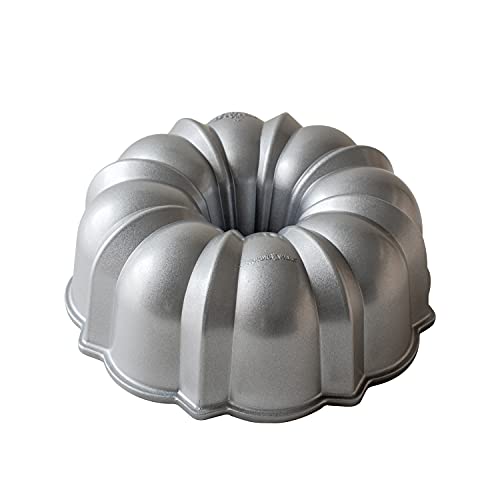
A Bundt pan gives cakes a fluted ring shape with a center tube that helps thick batters bake through. In this catalog, the strongest choices are purpose-built cake pans in aluminum, cast aluminum, carbon steel, or aluminized steel, with several nonstick interiors for cleaner release.



How to choose
Start with capacity: smaller 3- or 6-cup pans suit modest cakes and some instant-cooker use, while 12-cup pans are better for full-size Bundt recipes. Choose material based on your priorities: cast aluminum is listed for crisp, intricate detail and even browning, while formed aluminum is lighter and still conducts heat evenly. If easy unmolding matters, look closely at the coating, since the catalog includes premium nonstick interiors, silicone nonstick made without PFAS and PTFE, and carbon-steel nonstick options. For broader baking needs beyond Bundt shapes, compare this category with general bakeware before buying.
Key factors to consider
- •Capacity, especially whether you need a 3-cup, 6-cup, 12-cup, or roughly 9.5-inch pan
- •Material, including formed aluminum, cast aluminum, carbon steel, or aluminized steel
- •Nonstick surface quality and any stated coating details such as PFAS-free or PTFE-free claims
- •Weight and handling, since formed aluminum is lighter while cast aluminum is more substantial
- •Cake detail, especially if you want crisp flutes or more intricate molded definition
- •Warp resistance features, such as heavy-duty construction or rolled edges
Common mistakes to avoid
- ✗Buying a small 3- or 6-cup pan for recipes intended for a full-size Bundt pan
- ✗Assuming every fluted tube pan has the same material, weight, or heat behavior
- ✗Overlooking the importance of nonstick release in detailed Bundt shapes
- ✗Choosing by diameter alone instead of checking capacity and pan height
- ✗Using rough tools or cleaning methods that may shorten the life of a nonstick surface
Frequently asked questions
What size Bundt pan should I buy?
The best size depends on the recipes you bake most. This catalog includes small 3- and 6-cup options, a full 12-cup cast aluminum pan, and 9.5-inch fluted pans, so match the pan to your batter volume rather than choosing by appearance alone.
Is cast aluminum better than formed aluminum?
Cast aluminum is described here as durable and suited to crisp, intricate cake detail with controlled, even browning. Formed aluminum is lighter, conducts heat evenly, and may be easier to handle, so it can be a practical choice if you prefer less pan weight.
Do Bundt pans need a nonstick coating?
A nonstick interior is especially useful because Bundt cakes have flutes and curves where batter can cling. Several listed pans emphasize easy release and cleanup, but you should still follow the pan maker’s care instructions to protect the surface.
Can a 6-cup Bundt pan be used in an instant cooker?
The Nordic Ware 6-cup formed Bundt pan is described as fitting perfectly into instant cookers. If that is your goal, check the diameter and height of the specific pan against your cooker before choosing.
What pan is best for detailed Bundt designs?
For sharper detail, the catalog specifically points to durable cast aluminum as a strong option for crisp, intricate cake shapes. Lighter formed aluminum and carbon-steel pans can still be useful, but the listed cast aluminum model is the clearest match for detailed definition.
Are Bundt pans the same as tart or springform pans?
No. A Bundt pan has a central tube and molded ring shape, while pie and tart pans and springform pans serve different baking jobs. Choose based on the dessert structure, not just the pan diameter.
Quick buying guide
If you want one everyday Bundt pan, choose a 12-cup model when you bake full-size cakes. Pick cast aluminum for more defined shapes and even browning, or formed aluminum if you want a lighter pan that still conducts heat evenly. For smaller households or instant-cooker baking, a 6-cup option is the more practical fit. Prioritize a reliable nonstick interior because clean release matters more in fluted pans than in plain round pans.