 PanSpan
Skillets
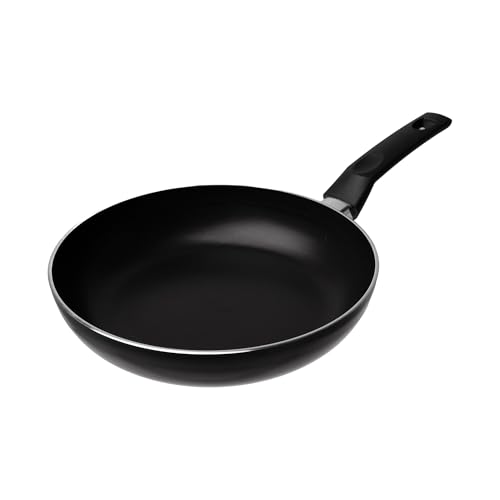
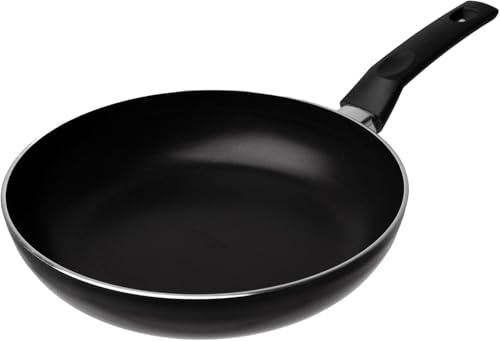
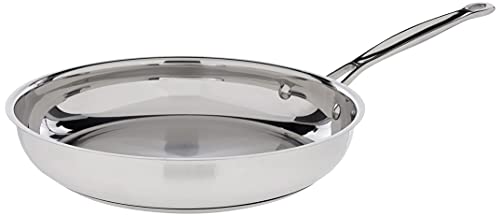
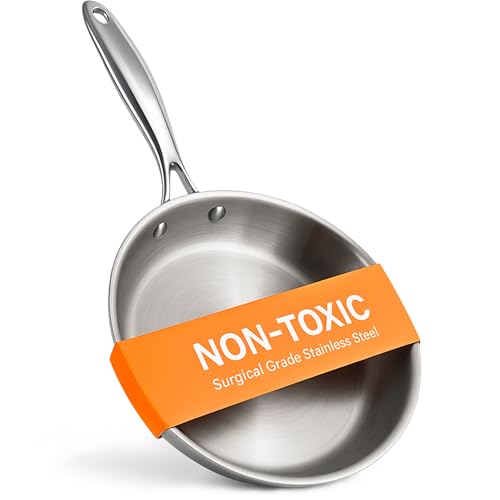
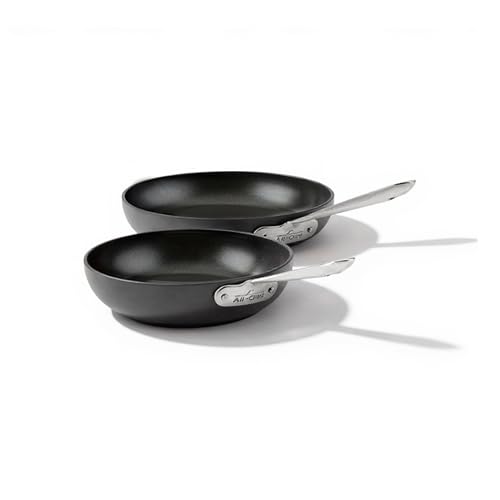
A skillet is the everyday pan for eggs, pancakes, sautéed vegetables, stir-fry-style meals, and quick searing. This category includes easy-clean nonstick aluminum pans, ceramic and granite-style coatings, hybrid nonstick designs, and stainless steel options for cooks building out their cookware.













How to choose
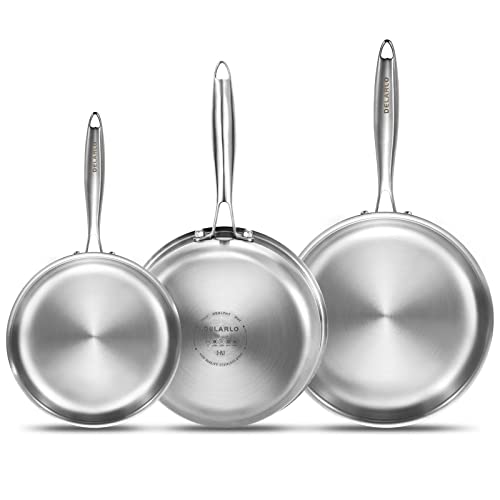
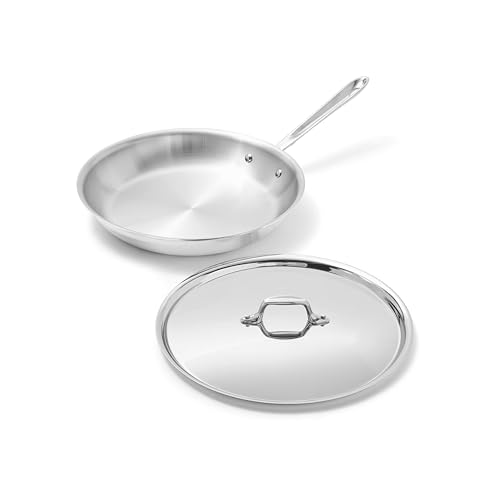
Start with material: aluminum nonstick pans tend to be lightweight and easy to clean, while fully clad stainless steel models are built for fast, even heating and higher-heat cooking. Check cooktop compatibility carefully, especially if you use induction, because not every skillet in this range is listed for every surface. Choose size by task: 8-inch pans suit eggs and small sides, 9.5- to 10-inch pans are versatile for daily meals, and 11- to 12.5-inch pans give more room for vegetables, pancakes, and family portions. If oven use matters, verify the stated oven-safe limit because some skillets are oven-safe while others are specifically not oven-safe. For larger multi-pan upgrades, compare skillet sets with broader cookware sets if you want matching pieces.
Key factors to consider
- •Pan size and whether you need one skillet or a multi-size set
- •Coating type, including ceramic, granite-style nonstick, hybrid nonstick, or uncoated stainless steel
- •Cooktop compatibility, especially induction support
- •Oven-safe rating and whether the handle material can tolerate oven heat
- •Handle comfort, riveted construction, and heat-resistant or stay-cool design
- •Cleaning preferences, including dishwasher-safe claims versus simple wipe-and-rinse nonstick surfaces
Common mistakes to avoid
- ✗Buying a nonstick skillet for high-heat oven use without checking the oven-safe limit
- ✗Assuming every pan works on induction just because it is labeled as a skillet
- ✗Choosing only the smallest size and then overcrowding food when sautéing or searing
- ✗Ignoring handle material, which affects grip comfort and oven compatibility
- ✗Expecting stainless steel to behave like nonstick without adjusting cooking technique
Frequently asked questions
What skillet size is most useful for everyday cooking?
A 9.5- to 10-inch skillet is often the most flexible size in this catalog range because it can handle eggs, vegetables, pancakes, and small mains without taking up too much space. If you often cook single portions, an 8-inch pan is easier to manage; for larger batches, look toward 11- to 12.5-inch options.
Should I choose nonstick or stainless steel?
Nonstick skillets are useful for eggs, omelets, pancakes, and lower-oil cooking with easier cleanup. Stainless steel skillets are better suited to cooks who want an uncoated surface, fast and even heating from clad construction, and the option to sear or move from stovetop to oven when the product is rated for it.
Are these skillets compatible with induction cooktops?
Some induction-ready skillets in this category state compatibility with all stovetops, including induction, while others are described only for gas and electric cooktops. Always check the product’s cooktop list before buying, because induction requires a suitable magnetic base or construction.
Can skillets go in the oven?
Oven use varies widely here. Some stainless steel and hybrid pans list oven-safe ratings, while at least one aluminum nonstick set is described as not oven-safe, so treat oven compatibility as a product-specific feature rather than a category-wide assumption.
What is the difference between ceramic, granite-style, and hybrid nonstick?
Ceramic and granite-style nonstick skillets are designed for food release and easier cleaning, with several products noting PFOA-free or similar coating details. Hybrid nonstick combines a stainless-steel pattern with a nonstick surface, aiming to balance searing ability with easier cleanup, but the exact construction depends on the product.
Do I need a skillet set or just one pan?
A set makes sense if you regularly cook different portions, such as eggs in a small pan and vegetables or pancakes in a larger one. If you are replacing one worn pan, a single mid-size skillet may be enough, while broader kitchen upgrades may overlap with cookware sets.
Quick buying guide
In a hurry, pick a nonstick 9.5- or 10-inch skillet if your main tasks are eggs, pancakes, and quick sautéing. Choose stainless steel or hybrid construction if you want higher-heat versatility, induction readiness, or stovetop-to-oven use where the product allows it. Go with a multi-size set if you cook both small breakfasts and larger meals often. For stir-fry-heavy cooking, you may also want to compare dedicated woks and stir-fry pans.