 PanSpan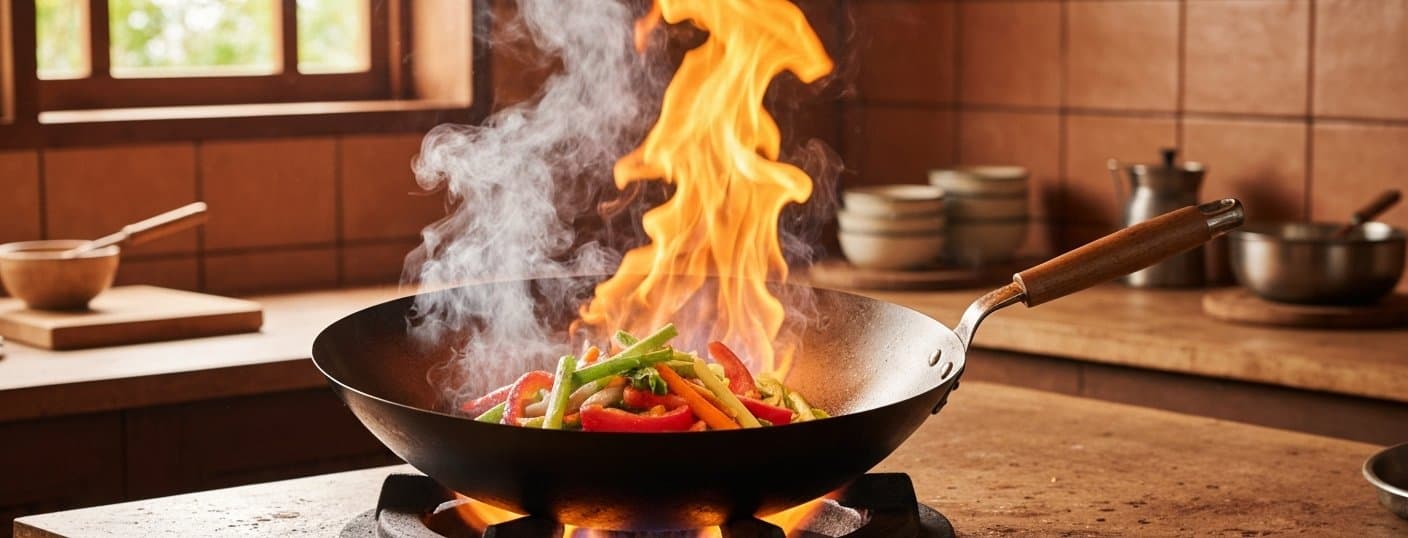
Woks & Stir-Fry Pans
A wok is most useful when you want high sides for tossing vegetables, searing proteins, and containing sauces better than a typical skillet. In this category, the available options lean toward stainless steel and nonstick cookware, so it can also help to compare them with skillets if you mostly pan-fry rather than stir-fry.


How to choose
Start with material, because it affects sticking, heat response, and upkeep more than almost anything else. Stainless steel options are a practical fit for cooks who want durability, oven use, and broad stovetop compatibility, while nonstick pans are simpler for delicate foods and easier cleanup but usually need gentler care. Also check the base design: a flat, stable bottom and even-heating construction matter if you cook on electric, ceramic, or induction surfaces. If you often cook larger batches, a deeper wok with a lid can be more versatile than a shallow stir-fry pan, and buyers comparing broader cookware setups may want to think about how it complements the pans they already own.
Key factors to consider
- •Material choice: stainless steel for durability and searing, or nonstick for easier food release and cleanup
- •Cooktop compatibility, especially if you need induction support
- •Pan depth and capacity for single servings versus family-size stir-fries
- •Heat distribution and base stability to reduce hot spots and wobbling
- •Lid inclusion for steaming, simmering, and moisture retention
- •Cleaning and maintenance needs, including dishwasher safety or hand-wash-only care
Common mistakes to avoid
- ✗Choosing a wide pan with sides too shallow for tossing and high-heat stir-fry cooking
- ✗Assuming every wok works on induction without checking the base compatibility
- ✗Picking nonstick when you mainly want intense searing or very high-heat cooking
- ✗Ignoring handle design and overall weight, which affects control when lifting or tossing food
- ✗Overlooking cleaning requirements such as hand washing for specialty materials
Frequently asked questions
What is the difference between a wok and a regular frying pan?
The main shape difference is the higher, sloped sides that give a wok more room for tossing ingredients and managing larger volumes. That makes it especially useful for stir-fries, quick sautéing, and dishes that combine searing with sauce reduction, while a regular frying pan often feels simpler for flat, single-layer cooking.
Is nonstick or stainless steel better for a wok?
Nonstick is usually easier for beginners, delicate foods, and lower-mess cleanup, especially when you want food release with less oil. Stainless steel is the stronger choice if you want a more durable pan for browning, oven use, and long-term versatility, as seen in options like this stainless steel wok.
Do I need a lid on a wok?
A lid adds flexibility. It helps when you want to steam vegetables, finish thicker cuts with trapped heat, or keep moisture in sauces, so it can make one pan useful for more than just fast stir-frying.
Can I use a wok on an induction cooktop?
It depends on compatibility. Some pans in this category specifically note induction-ready bases or all-stovetop use, but not every wok or stir-fry pan does, so it is worth checking before you buy.
What size wok works for most home cooking?
A mid-to-large wok is usually the most flexible for home use because it gives enough room to move ingredients without crowding. If you often cook for several people or make one-pan meals, a deeper model around the larger end of this category will generally be easier to use than a compact pan.
Quick buying guide
If you want the easiest upkeep, choose a nonstick stir-fry pan with an even-heating base and a comfortable handle. If durability, browning, and oven use matter more, a stainless steel wok with a lid is the more versatile long-term pick. For induction kitchens, verify compatibility first. For bigger meals, prioritize depth and capacity over a wide but shallow shape.