 PanSpan
Pie Crust Roller
Which of these rolling pins will make pie crust easiest to roll evenly without tiring your hands?
For pie dough rolled on a counter or baking mat, I’d choose the BIDFUL stainless steel roller: its thickness rings help keep the crust even, and the roller is dishwasher safe. If you prefer wood and want measurements built into the pin, choose the Geesta instead. These are full-size rolling pins, not mini or two-sided pastry rollers for smoothing dough inside a pie dish. For a deep pan, roll the crust on a mat, transfer it, then ease it into the corners by hand.

#1 · BIDFUL
Adjustable Rolling Pin with Thickness Rings for Baking, Stainless Steel Designs Dough Roller Pins for Cookie Decorating Baking Supplies Fondant Cake Baker
Choose this stainless steel pin if consistent thickness and straightforward cleanup matter most. Its removable rings help set the dough thickness, and the pin is dishwasher safe.

#2 · Geesta
Geesta Adjustable Wood Rolling Pin with 5 Thickness Rings, Precise Dough Roller Handle Press Design with Measurement Guide for Fondant, Pizza, Pie Crust, Cookie, Pastry Baking Decorating Accessories
Choose the Geesta if you want a wooden French-style pin with thickness rings and inch-and-centimeter guides. It’s the more useful choice when you like measuring as you roll and want the option of different dough thicknesses.

#3 · HELFERX
Wooden Rolling Pin, Beech Wood, 17.6" Dough Roller for Baking | Ergonomic Handles, Nylon Bearings, Baking Pizza, Bread & Cookies, Pasta, Dough Roller
Choose the HELFERX if you prefer a traditional handled roller and want a more secure grip while rolling. Its handles and rolling action suit everyday pie and pastry dough better than a handle-free pin if you find that style easier to control.
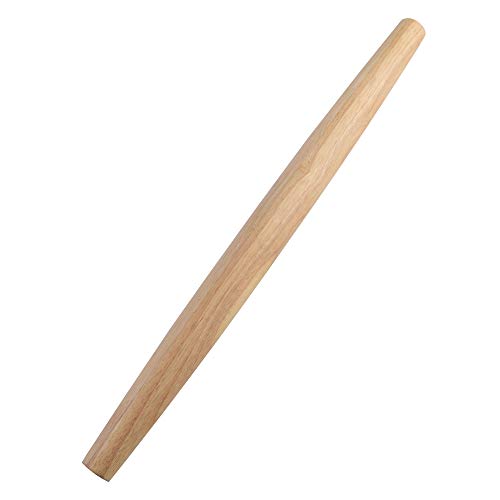
#4 · KARRYOUNG
French Rolling Pin (17 Inches) –WoodenRoll Pin for Fondant, Pie Crust, Cookie, Pastry, Dough –Tapered Design & Smooth Construction - Essential Kitchen Utensil
Choose the KARRYOUNG if you like a light, tapered wooden pin that gives your hands direct control over the pressure. It’s a versatile option for pie crust and other doughs, but it does not provide thickness guides.

#5 · Koville
Koville Marble Rolling Pin, Non-Stick African Stone Polished Dough Roller, Pasta, Dumpling, Ravioli, Fondant, Pie Crust, Kitchen Baking Pastry Tools
Choose the Koville if you specifically want a cool, heavy marble roller for working pastry. Its weight does more of the pressing for you, but it is the least appealing choice here if reducing hand strain is your priority.
Do you want to control crust thickness without guesswork?
The BIDFUL and Geesta both use removable rings to guide thickness, so either is easier to repeat than rolling by eye. I’d take the BIDFUL if easy cleanup is the deciding factor; choose the Geesta if its built-in measurement marks are useful to you. The HELFERX, KARRYOUNG and Koville leave thickness control to your hands.
Is a handled roller easier on your hands?
If gripping and pressing a handle-free pin feels uncomfortable, start with the HELFERX: its handles give you a familiar grip and leverage. The KARRYOUNG is lighter and tapered, which some bakers find easier to steer, but it still calls for a two-handed rolling motion. For hand pain, use short, gentle passes and stop before the dough warms or your grip gets tired; a heavy marble pin is not the one I’d choose.
Wood, stainless steel or marble for pastry?
Wood feels warm and direct in the hand, while stainless steel is simple to wipe down and the BIDFUL can go in the dishwasher. Marble feels cool, which can be helpful with buttery pastry, but its weight makes it less comfortable for repeated rolling. For a seasonal pie baker, I’d choose the BIDFUL for low-fuss cleanup or the Geesta for the guided thickness and wooden feel.
Will one of these smooth dough inside a deep pie dish?
No: each pick is a full-size rolling pin, better suited to rolling dough on a counter or mat before you transfer it. A long pin is awkward against pan sides and in tight corners, so don’t force it around the dish. Roll a little wider than the pan, drape the dough in, and use your fingertips to settle it into the edges without stretching.
How they compare
Which one is yours
BIDFUL: You want guided thickness and the easiest cleanup of these picks.
Geesta: You prefer a wooden pin and want both thickness rings and measurement marks.
HELFERX: You want a familiar handled rolling pin with a comfortable grip.
KARRYOUNG: You prefer a light, tapered wooden pin and direct control over rolling pressure.
Koville: You want a cool, weighty marble pin and are comfortable handling a heavier roller.
You will also want
A nonstick surface under the dough makes rolling and transferring a pie crust easier, especially when you want to avoid tugging delicate pastry off the counter.
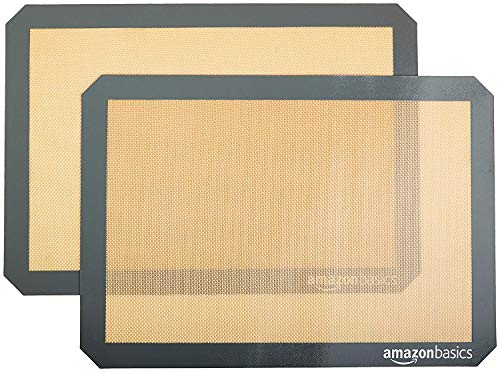
Amazon Basics Silicone Rectangular Baking Mat, Non-Stick, Reusable, Dishwasher Safe, Food Safe, Heat Resistant, 16.5" x 11.6", Beige/Gray, 2-Pack
Use this reusable silicone mat as a nonstick surface for rolling dough, then lift or slide the crust toward the pie pan with less risk of sticking to the counter.
Questions buyers ask
Is wood or stainless steel better for pie crust?
Both can roll pie dough well. Wood gives you a traditional, direct feel; stainless steel is easier to wipe clean, and the BIDFUL is dishwasher safe. I’d choose based on whether you value hand feel or simpler cleanup more.
Does silicone stick less than wood for dough?
A lightly floured wooden pin can work well, but dough can stick if it gets warm or damp. Silicone is often chosen for a grippy, easy-clean surface, but there isn’t a silicone roller among these picks. A silicone baking mat underneath the dough helps keep it from sticking to the counter.
What is the best roller material for cold butter pie dough?
Keep the dough cold and work it with light, brief passes; the goal is to flatten it without warming the butter. Marble’s cool surface can be appealing for pastry, which is why the Koville suits that preference. Its heavier feel is a tradeoff, so choose the BIDFUL if you want a stainless-steel alternative with thickness guides.
Are any of these mini or two-sided pastry rollers?
No, these are full-size rolling pins rather than mini rollers or two-sided crust smoothers. They’re meant for rolling dough before it goes into the pan, not for working dough along the pan’s curves and corners.
Can a roller trap water inside or rust after washing?
Water is more of a concern with hollow or enclosed rollers than with a simple, open-to-dry design. Dry any pin promptly after washing, and avoid soaking wooden pins, which can swell or develop a rough surface. The BIDFUL is dishwasher safe, but drying it after a cycle is still a sensible habit.
Which pie crust roller is easiest to use with hand pain?
The HELFERX is the pick I’d start with if a handled grip feels more comfortable to you. For less strain, use small batches of dough, press gently, and take breaks rather than relying on a heavy pin to do the work. No roller makes working dough inside a deep pan effortless; fingertips are often the gentlest way to press crust into the corners.