 PanSpan
Cookware
Good cookware should match how you actually cook: quick weeknight meals, larger batch cooking, or a little of everything. In this category, the biggest differences are material, set size, stove compatibility, and whether you want a fixed-handle setup or a more compact option like some Cookware Sets.
Cookware Sets


24 products · 14 brands · from $60
A cookware set can simplify a new kitchen, but piece count matters less than the pans, lids, and storage style you’ll use.
Skillets


35 products · 18 brands · from $20
A skillet handles eggs, searing, and sautéing; match coating, size, and cooktop fit to your daily meals.
Saucepans


15 products · 11 brands · from $11
A saucepan handles sauces, milk, grains, and reheating; size, lid design, and cooktop compatibility matter most.
Dutch Ovens

13 products · 6 brands · from $38
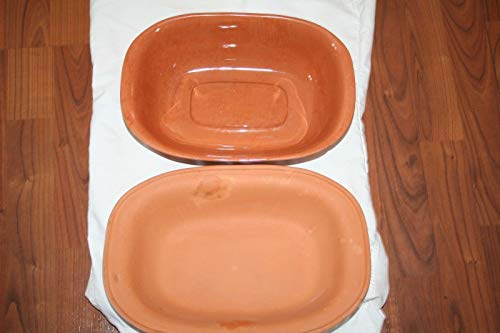
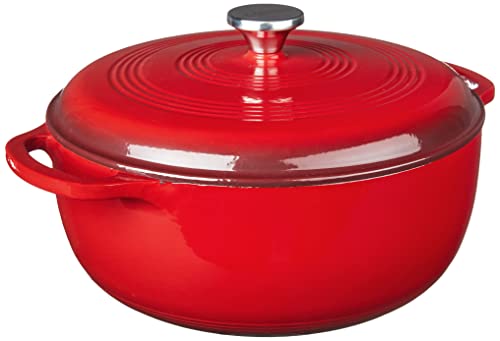
Oval roaster-style Dutch ovens for braising, baking, and stews; check size, material, and induction needs before choosing.
Woks & Stir-Fry Pans


2 products · 2 brands · from $47
A wok gives you higher sides and more tossing room than a typical skillet. Compare material, depth, and cooktop compatibility before choosing.
How to choose
Start with material, because it shapes how the pan heats, how much maintenance it needs, and what cooking styles it suits. Nonstick aluminum sets are lightweight and practical for easy release and simple cleanup, while stainless steel and copper-focused options generally make more sense if you care about searing, durability, or tighter temperature control. Next, check compatibility: some pieces are induction-ready, some are oven safe, and detachable-handle designs can be especially useful if you want stovetop-to-oven flexibility or easier storage. Finally, buy for your real routine rather than the biggest bundle—if you mostly use a couple of skillets, a huge set may add clutter more than value.
Key factors to consider
- •Cookware material: nonstick aluminum, ceramic nonstick, stainless steel, hybrid stainless/ceramic, or copper-core construction
- •Cooktop compatibility, especially whether the set works with induction
- •Cleaning and care needs, including hand-wash recommendations versus dishwasher-safe designs
- •Storage footprint, particularly if detachable handles or stackable pieces matter in a smaller kitchen
- •Included piece mix, such as fry pans, saucepans, stockpots, lids, steamers, or utensils
- •Oven-safe range and whether lids and handles have separate heat limits
Common mistakes to avoid
- ✗Choosing a material before thinking about your cooking style, such as buying stainless when you mainly want easy nonstick release
- ✗Assuming every set works on induction or in the oven without checking the product details
- ✗Buying an oversized set with many extra pieces you may rarely use
- ✗Overlooking care instructions, especially when a nonstick set is better suited to hand washing
- ✗Ignoring storage needs in smaller kitchens where detachable handles or stackable designs can make a real difference
Frequently asked questions
Should I choose nonstick or stainless steel cookware?
The main tradeoff is convenience versus cooking style. Nonstick sets are generally easier for food release and cleanup, while stainless steel is better suited to cooks who want a more traditional surface for browning, searing, and long-term versatility. If you mostly make eggs, pancakes, and quick everyday meals, nonstick may feel easier; if you want a sturdier all-purpose pan, a stainless option or a dedicated skillet can make more sense.
Is detachable-handle cookware worth considering?
For small kitchens, RV use, or tight cabinets, storage is the big advantage. Several sets in this category are designed to stack more compactly and move from stovetop to oven or table more easily. Just make sure the removable-handle system fits the way you cook, especially if you frequently move pans while hot.
Do I need an induction-compatible cookware set?
If you cook on an induction stove now, or may switch later, it is worth checking carefully before you buy. Some stainless, hybrid, copper-bonded, and selected nonstick sets in this category are listed as induction compatible, but not every piece in cookware is automatically suitable.
Are larger cookware sets always a better value?
Not always—usefulness matters more than piece count. A large set can be helpful if you regularly cook multiple dishes, need several pot sizes, or want extras like lids, steamers, and utensils. But if your daily routine revolves around one frying pan and one or two saucepans, a smaller set may be the smarter fit.
How important is oven safety in cookware?
Oven safety matters if you finish dishes under heat, bake in the same vessel, or want stovetop-to-oven flexibility. Some cookware here supports oven use, but temperature limits can vary by pan, lid, and handle style, so it is worth checking the details rather than assuming the whole set shares one limit.
Quick buying guide
If you want the simplest everyday option, start with nonstick cookware for easy release, lighter weight, and easier cleanup. Choose stainless steel or copper-core construction if heat control, browning, and long-term versatility matter more to you. For small kitchens, detachable-handle sets are especially practical. If your stove is induction, confirm compatibility before narrowing down the rest.