 PanSpan
Kitchen Tools & Accessories
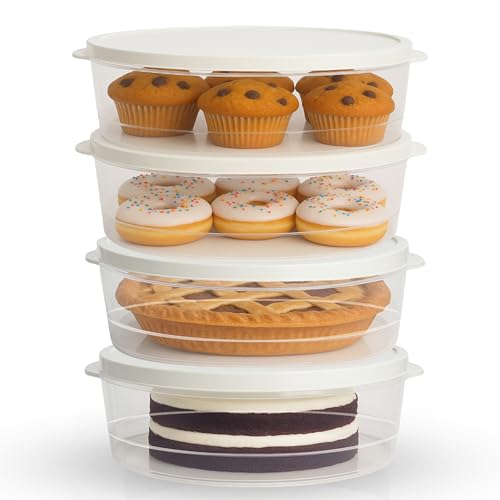
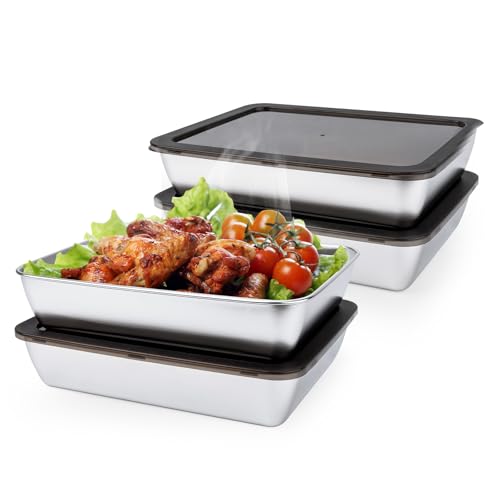
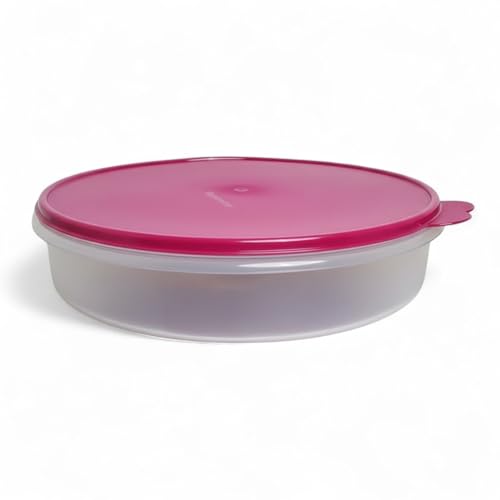
Kitchen Tools & Accessories on panspan covers a broad mix of cookware sets, skillets, saucepans, bakeware, storage carriers, and kitchen knives. The right choice depends on whether you need a complete cooking setup, a single daily-use pan, oven-ready bakeware, or a precise cutting tool like a chef knife.








How to choose
Start with the task you are trying to solve: a large cookware set suits a kitchen refresh, while a saucepan, skillet, baking pan, or knife is better for filling a specific gap. If you cook on induction, check compatibility carefully because some items list induction-ready bases while others focus on oven or bakeware use. For easier cleanup, look at nonstick ceramic, granite, or titanium-style coatings, but note that several products still recommend hand washing. For heat control and long-term versatility, stainless clad, copper-core, and reinforced aluminum options offer different tradeoffs in weight, responsiveness, and care.
Key factors to consider
- •Cooktop compatibility, especially if you use induction
- •Material type, such as stainless steel, copper-core, die-cast aluminum, ceramic nonstick, or carbon steel bakeware
- •Set size and whether the included pieces match how you actually cook
- •Care requirements, including hand washing versus dishwasher-safe claims
- •Storage needs, especially for detachable-handle or stackable cookware
- •Special use case, such as baking, small-batch sauce cooking, or precision knife work
Common mistakes to avoid
- ✗Buying a large set because it has many pieces without checking whether the pans and pot sizes are useful
- ✗Assuming every pan works on induction without confirming the product details
- ✗Ignoring care instructions, especially for copper, nonstick coatings, and knives
- ✗Choosing nonstick cookware for every task when stainless steel or copper may suit high-heat control better
- ✗Forgetting storage space when buying multi-piece cookware sets or bakeware
Frequently asked questions
Should I buy a cookware set or individual kitchen tools?
Choose a set if you are replacing most of your cookware or setting up a kitchen from scratch. Buy individual tools when you already have basics and only need a missing piece, such as a small saucepan, open skillet, baking pan, or knife.
Are nonstick cookware sets easier to maintain?
Nonstick cookware is usually chosen for cleanup and easy food release, and many products in this category highlight ceramic, granite, or titanium-style nonstick surfaces. However, some listings recommend hand washing, so dishwasher convenience should be checked product by product.
What should induction users look for?
Induction users should confirm compatibility in the product details before buying. Some cookware here specifically mentions induction-ready bases, magnetized bases, or induction compatibility, while bakeware and certain accessories may not be relevant to cooktop use.
When does stainless steel make more sense than nonstick?
Stainless steel is a good option when you want a nonreactive cooking surface and more traditional pan performance for searing, sautéing, or general stovetop cooking. Nonstick is more focused on easy release and low-effort cleanup, especially for eggs, pancakes, and delicate foods.
Are detachable-handle cookware sets practical?
Detachable handles can help with storage, and some sets list stackable designs that save space. They can also support movement from stovetop to oven, fridge, or table when the product specifically allows it, but you should still check the temperature and use guidance for that set.
What makes a Damascus kitchen knife different?
A Damascus-style knife in this catalog uses a layered blade construction with a VG10 high-carbon core and is designed for slicing, dicing, and chopping. If you want a smaller knife-focused upgrade instead of cookware, a Damascus knife set may be worth comparing.
Quick buying guide
In a hurry, choose by need first: cookware set for a full refresh, skillet or saucepan for daily stovetop use, bakeware for oven tasks, and a knife for prep work. Pick nonstick if easy release and cleanup matter most, but consider stainless, copper-core, or clad cookware when heat control is the priority. Check induction compatibility, care instructions, and storage space before deciding.