 PanSpan
Bakeware
Bakeware spans everyday sheet pans, 9 x 13 cake pans, round layer pans, fluted tube pans, toaster-oven sets, and ceramic baking dishes. The right shape matters as much as material, so compare baking sheets, cake pans, and specialty pans based on what you actually bake most often.
Baking Sheets
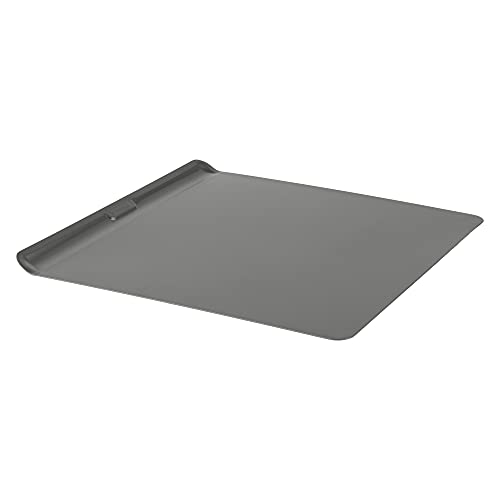


12 products · 8 brands · from $13
Flat, insulated, or rimmed: shape matters most when choosing a baking sheet for cookies, roasting, or deeper bakes.
Cake Pans
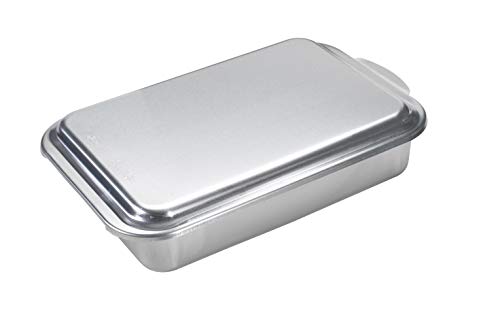


25 products · 18 brands · from $10
For sheet cakes, fluted desserts, and covered storage, match the pan shape to how you bake, serve, and transport.
Pie & Tart Pans


5 products · 4 brands · from $12
A removable base helps tarts and quiches release cleanly; check depth and coating details before choosing.
Springform Pans


5 products · 4 brands · from $17
A springform pan makes cheesecakes and delicate cakes easier to release cleanly. Compare sizes, latch security, and whether a single pan or set fits your baking habits.
Bundt Pans

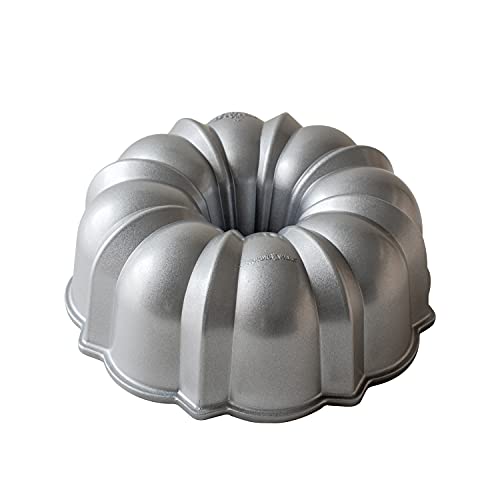

6 products · 4 brands · from $10
Fluted tube pans for ring cakes, with size, material, and nonstick release mattering more than looks alone.
How to choose
Start with recipe fit: cookies and sheet-pan meals need broad flat pans, while casseroles, brownies, and lasagna benefit from deeper rectangular dishes. Material changes performance; carbon steel, aluminized steel, aluminum, and ceramic all appear in this category, with many options emphasizing even heating, nonstick release, or warp resistance. Check oven limits before buying, since several pans list oven safety up to 450 degrees Fahrenheit, while some listings do not specify a limit. If storage is tight, look for nesting sets or smaller toaster-oven pans, but make sure the dimensions still match your appliance and portions.
Key factors to consider
- •Pan shape and recipe match, such as cookie sheet, rectangular cake pan, loaf pan, round cake pan, or fluted tube pan
- •Material type, including carbon steel, aluminized steel, natural aluminum, or ceramic-coated stoneware
- •Interior surface, especially nonstick coating, textured bases, or natural aluminum that may need different handling
- •Size and depth, including whether a 9 x 13 pan, 9-inch round pan, or toaster-oven size is appropriate
- •Oven temperature rating when listed, especially for higher-heat baking or roasting
- •Storage and set configuration, such as nesting ceramic dishes, multi-size cookie sheets, or pan sets
Common mistakes to avoid
- ✗Buying a set because it includes more pieces without checking whether the sizes fit your oven, toaster oven, or storage space
- ✗Choosing a shallow pan for casseroles, lasagna, or brownies that need more depth to prevent overflow
- ✗Assuming every nonstick pan has the same coating details or care requirements
- ✗Overlooking specialty shapes, such as fluted tube pans, when a recipe depends on that form for presentation and baking
- ✗Ignoring hand-wash or utensil guidance when the listing provides it
Frequently asked questions
What bakeware pieces are most useful for a basic kitchen?
A practical starter setup usually includes a rectangular baking pan, at least one sheet pan, and a round or square cake pan depending on the recipes you make. If you bake shaped cakes often, consider Bundt pans or fluted tube pans instead of relying only on flat pans.
Is nonstick bakeware worth choosing?
Nonstick bakeware can help with release and cleanup, especially for cakes, brownies, and cookies. The catalog includes several nonstick steel and carbon-steel pans, but coating details vary by product, so compare the listed materials and care notes rather than assuming they are identical.
How do carbon steel, aluminum, and ceramic bakeware differ?
Carbon-steel and aluminized-steel pans in this category often emphasize durability, even heating, and resistance to warping. Natural aluminum is listed for strong heat conductivity and rust resistance, while ceramic bakeware can move between baking and serving and may include microwave or dishwasher compatibility when stated.
What size bakeware should I buy?
Choose dimensions around your recipes and oven space. A 9 x 13 pan is common for cakes, casseroles, brownies, and lasagna, 9-inch round pans suit layer cakes, and smaller toaster-oven sets are useful when a full-size oven pan will not fit.
Can all bakeware handle high oven temperatures?
No. Some products in this catalog list limits up to 450 degrees Fahrenheit, while others do not state a maximum in the provided details. If you plan to roast vegetables, bake pizza-style foods, or use higher heat, prioritize listings with a clearly stated oven-safe temperature.
Are covered cake pans useful?
A covered pan can be convenient when you bake in advance or need to transport a cake, bars, or casserole-style dessert. In this category, covered rectangular cake pans are available alongside open metal and ceramic options.
Quick buying guide
If you bake cookies or sheet-pan meals, start with a sturdy sheet pan; if you make casseroles, brownies, or classic cakes, choose a deeper rectangular pan. Pick nonstick steel or carbon steel when easy release matters, and consider aluminum when even heat conductivity is the priority listed by the product. For decorative cakes, choose a fluted tube option; for compact kitchens, a toaster-oven set or nesting ceramic set may be more practical.